Posts

Investment Insight | NZ Funds reports exceptional investment performance and discusses its approach

Image
In the 12 months up to 31 March 2021, our KiwiSaver Growth Strategy achieved 107% returns. Over the last three years it returned 25.42% per annum after fees but before tax; and over the last five years 18.85% per annum, making it the top performing KiwiSaver fund in New Zealand for much of that time. To celebrate our 12-month performance and let the public know about it, we booked advertising billboards in Auckland and Wellington. Late last week, the FMA contacted KiwiSaver providers to let them know they were concerned that the advertising of 12-month returns to the end of 31 March 2021 could create a potentially misleading picture in customers’ minds about KiwiSaver performance. This is because we’re now more than a year on from the bottom of the COVID-19 sell-off in March 2020. The sell-off saw dips of 30% or more in market indices around the world, and this was followed by a period of exceptional growth. The reporting and advertising of annual returns has been an ...

Unintended consequences from
Government’s moves on property

Image
I have some sympathy for our Government as they try to slow our overheated domestic property market. This crisis has been 30 years in the making. The perfect storm of limited supply, high construction costs, population growth and a tax system that has supported property investment have together created the perception that property can only increase in value. And when you add in record low interest rates, it should be no surprise that New Zealand is now recognised as being one of the least affordable countries 1 in which to buy a home. With so many factors supporting property prices, you have to pull exceptionally hard on any single lever if you are going to have any chance of slowing the market. Last month, the Government announced its latest 'broadside' on property as part of its housing policy statement. The extension of the Brightline Test from 5 to 10 years was somewhat anticipated – however, the progressive removal of the deductibility of interest a...

Investment Insight | NZ Funds invests in Ethereum

Image
NZ Funds has invested in Ethereum, the second largest cryptocurrency by market capitalisation after Bitcoin. Like gold, Bitcoin has solidified its lane as a store of value in which we continue to have conviction. We are excited to help our clients participate in Ethereum which forms part of our cryptocurrency investment strategy. We believe cryptocurrency is at the centre of the digital transformation the global economy is embarking on. What is Ethereum? Ethereum is a platform that aims to make it easier to create applications that are not managed or controlled by one entity, which is called being ‘decentralised’. Ethereum uses blockchain in a similar way that Bitcoin does to record its history and provide a proof that a transaction has taken place. Ethereum goes a step beyond Bitcoin in that it uses blockchain and code to provide proof of more complex transactions, not just the transfer of monetary value as Bitcoin primarily does. Ethereum was created in 2...

Investment Insight | Global insights shape our investment strategy

Image
Like many industries, investment management is good at using jargon to make things sound more complicated than they are. One such example is ‘mosaic theory’, which refers to a research methodology where the conclusion is arrived at by piecing together many bits of publicly available information. Individually each piece of information may be interesting, but not especially useful - however, when put together, they act like jigsaw pieces revealing the whole picture. This is one of the strengths of NZ Funds’ approach. We utilise our expertise, diverse experience, and the different asset class focus within our investment team – combined with observations from our international managers (MFS, Fisher Investments, Suvretta and Emersion Point) and our advisory partners – to build a picture of the investment environment. The emerging picture is that, in our view, the global economy is currently on course for an explosive recovery that has not been seen for many years. Why do...

Investment Insight | All your eggs in one asset basket

Image
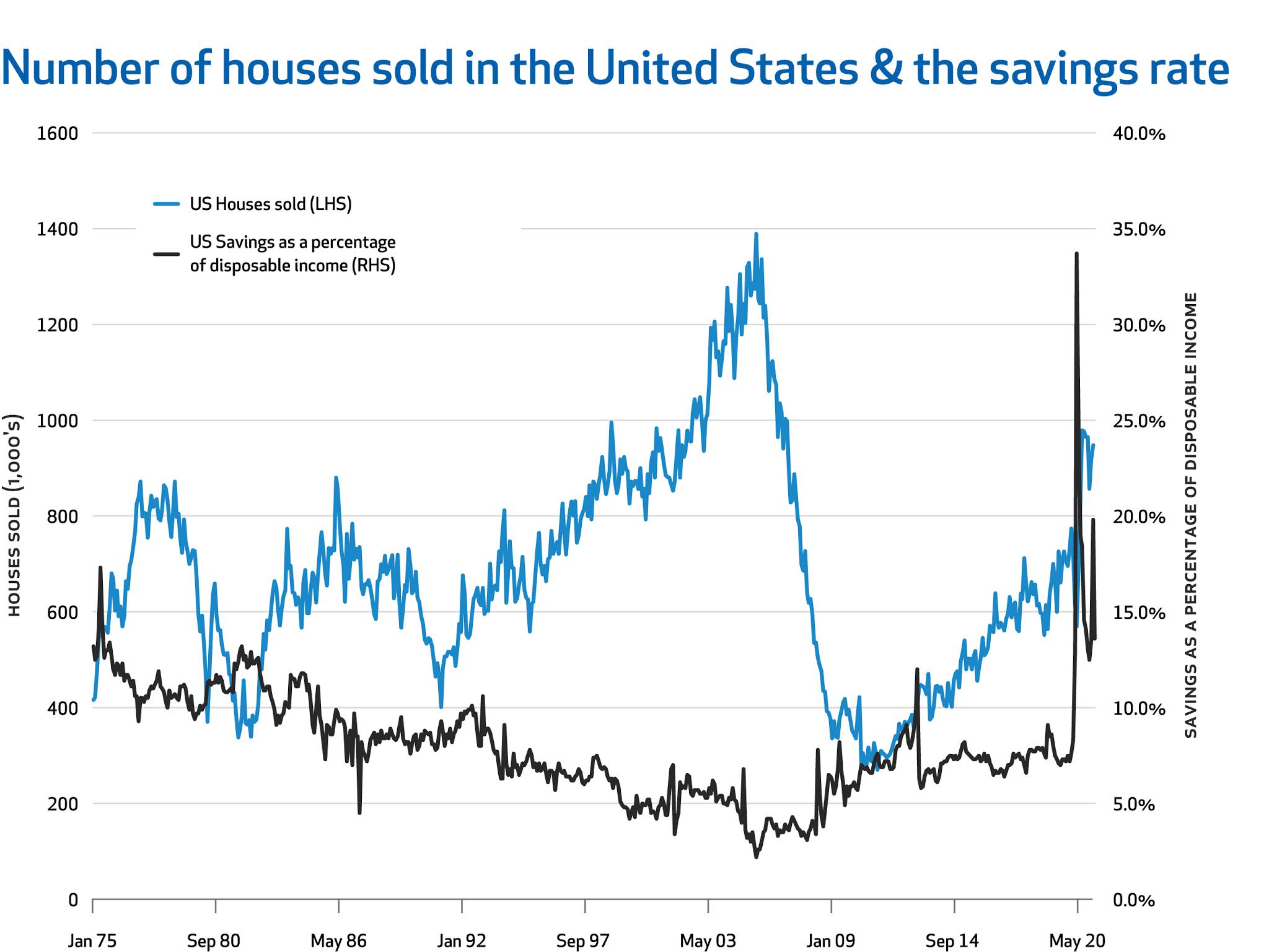
House prices to fall 10%! This was one of many headlines that came out of the Government's housing policy announcement this week. The policy aims to reduce speculation in the residential property market and help first home buyers. The package of measures will likely impact house prices at the margin. But given the staged implementation, it will take some time to play out. Escaping the headlines, the meteoric rise of housing is predominantly due to one factor; interest rates. John Key, in his role as ANZ chairman, recently commented that “low interest rates are really what's fuelling this, probably more than anything else." Interest rate risk It is interest rates that will dictate where property prices go from here. If interest rates remain low, the demand for property will remain and prices will remain high. However, as interest rates increase, financing becomes more difficult and debt servicing expensive. Demand will drop. Supply of investment properties ...

Fixed-interest headwinds at hand |
30 year ‘free ride’ for bond investors is about to end

Image
One of the interesting observations about the COVID-19 pandemic is how quickly the public can be educated about very scientific concepts. Who would have thought that the mechanisms of virus transmission and the calculation of a virus R number would be the topic of mainstream media? I guess that when any subject has a significant impact on our everyday lives we are incentivised to learn. We are about to experience something in investment markets which, although it won't have quite the same dramatic impact of COVID-19, will negatively affect the wealth of many New Zealanders. We are soon likely to see interest rates rise – resulting in the value of investors' bonds falling. This seems highly counter-intuitive. Investors are right to be baffled as to how the fixed interest component of their KiwiSaver could drop in value at a time when interest rates are rising. In simple terms, this situation occurs when new fixed interest investments are available which pay a high...

Investment Insight | The dawn of a new super cycle

Image
The early 2000’s was a golden period for the commodity industry as rapid growth in China and Latin America meant that demand continually outstripped the available supply. However, for the past decade commodities as an asset class have been a difficult investment. From January 2010 to December 2020 the S&P Goldman Sachs Commodity Index declined around 35% while the Bloomberg Commodity Index fell by 52%. At the same time the United States share market increased 266%. The COVID-19 pandemic may have brought this long period of poor returns in commodities to an end. A wide range of commodities should benefit from the demand pickup as the global economy reopens. We believe this is the beginning of a long-term structural bull market for commodities thanks to the following three dynamics. Structural under-investment Decades of poor returns have been a disincentive to reinvest capital into new production. This is particularly true in energy where Environmental, So...